Top Mistakes to Avoid in Pallet Liquidation: An Essential Guide for Beginners
In the world of pallet liquidation, newcomers often face several obstacles that can obstruct their success. Many first-time participants overlook essential elements such as pallet quality assessment and market research. Additionally, they may fail to account for hidden costs and the importance of networking. Each of these errors can considerably influence profitability. Understanding these common mistakes is vital for anyone looking to navigate this complex landscape effectively. What methods can help secure a more profitable beginning in pallet liquidation?
Stop Misjudging Pallet Quality in Liquidation
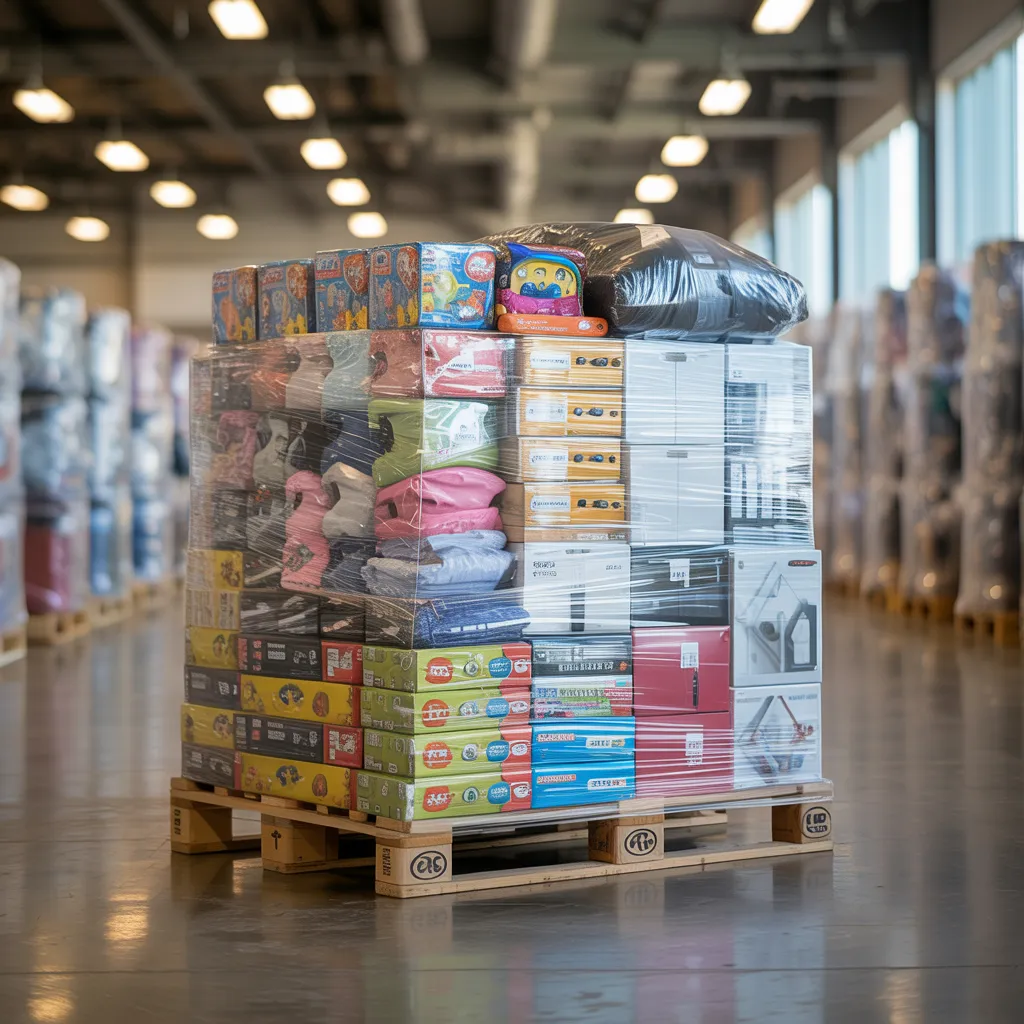
Within the realm of pallet liquidation, evaluating quality is essential. Newcomers frequently misassess the state of pallets, which can lead to significant losses. Knowing how to differentiate salvageable from non-salvageable merchandise is essential. Numerous people are inclined to ignore minor visible damages, assuming that minor wear does not affect overall value. However, hidden defects can result in additional costs during resale or disposal.
Additionally, depending entirely on visual inspections proves to be unreliable. Buyers are encouraged to examine product descriptions in detail and, if the opportunity arises, evaluate pallets in person. This approach aids in detecting underlying problems that are not always visible. Additionally, being aware of consumer demand for certain goods can guide expectations for returns. By prioritizing a thorough evaluation of pallet quality, dealers can circumvent unnecessary losses and boost earnings from their operations. Recognizing the importance of quality assessment serves as a critical stepping stone to excelling in pallet liquidation ventures.
Understand Local Regulations
While maneuvering the intricacies of pallet liquidation, understanding local regulations is vital for success. Compliance with local laws can markedly impact the profitability and viability of a liquidation business. Every region may enforce particular rules concerning the resale of goods, encompassing safety standards and labeling requirements. Failing to adhere to these regulations can result in fines or even legal action, jeopardizing the entire operation.
In addition, zoning laws might influence the locations where liquidation operations are permitted. A comprehensive understanding of local regulations will help avoid costly mistakes, such as placing a warehouse in a non-permitted area. Moreover, certain states levy taxes on specific categories of goods or necessitate licenses for sales occasions. Therefore, performing comprehensive research on local rules is an important step for those participating in the pallet liquidation marketplace. Observing these standards guarantees a smoother operation and encourages lasting achievement in the field.
Conduct Market Research for Pallet Liquidation
Conducting thorough market research is vital for achieving successful pallet liquidation. The process involves examining local demand trends, assessing competitor offerings, and assessing pricing strategies to secure a competitive edge. Through understanding these key factors, organizations can make strategic decisions that strengthen their liquidation efforts.
Analyze Local Demand Trends
How does a thorough understanding of local demand trends profoundly affect pallet liquidation success? Analyzing these trends allows liquidators to align their inventory with community needs, ensuring higher sales potential. Local demand may shift substantially depending on elements such as seasonality, economic circumstances, and demographic transitions. Through comprehensive market research, liquidators can determine which products are highly sought after and modify their purchasing strategies as needed. This knowledge not only reduces unsold inventory but also improves profitability. Additionally, being attuned to local preferences can help in crafting targeted marketing strategies, fostering stronger connections with potential buyers. At its core, a thorough awareness of local demand trends supplies pallet liquidators with the vital tools needed to make sound decisions and streamline their operations.
Discover Competitor Offerings
A comprehensive understanding of competitor offerings can greatly enhance a pallet liquidator's position in the market. By carrying out detailed market studies, liquidators can identify the varieties of pallets and goods competitors are selling, as well as their supply acquisition approaches. This knowledge helps in identifying gaps in the market that could be leveraged for improved returns. Additionally, analyzing competitors' advantages and shortcomings allows liquidators to differentiate their own offerings, ensuring they meet consumer demands more effectively. Reviewing customer feedback on competitor products can yield important data on performance and service benchmarks. Ultimately, studying rival product selections equips pallet liquidators with the knowledge needed to refine their approach and more effectively establish their presence in a challenging marketplace.
Evaluate Pricing Strategies
Evaluating price structures is vital for liquidation businesses looking to increase their profit margins. To establish successful pricing, resellers must perform comprehensive market research, examining the demand for specific products and competing offers. Identifying location-based price fluctuations and time-based market shifts can reveal opportunities for optimal price points. In addition, assessing acquisition costs with projected retail values aids in pinpointing viable profit opportunities. Resellers should also evaluate customer demographics; customizing pricing structures to distinct purchasing audiences can improve revenue. Furthermore, adopting flexible pricing strategies, such as savings for volume buying or promotional sales, can bring in additional buyers. Ultimately, a thoroughly researched pricing strategy not only enhances revenue but also places the business favorably among industry rivals.
Spotting Hidden Costs in Pallet Liquidation
When it comes to pallet liquidation, concealed expenses can significantly impact profitability. Unanticipated freight costs, auction platform charges, and financial losses from remaining inventory commonly remain undetected. Recognizing these costs is critical for an effective liquidation approach.
Surprise Delivery Costs
While investigating pallet liquidation choices, one important aspect frequently neglected is the risk of unanticipated freight charges. A large number of newcomers concentrate on the price of the merchandise alone but fail to account for the supplementary fees linked to shipping the pallets. Freight costs can differ significantly based on the seller's location, the scale of the delivery, and the selected shipping company. Additionally, a number of suppliers may add surcharges for freight services or require buyers to arrange their own shipping, adding complexity to the procedure. To prevent unexpected setbacks, it is important to confirm freight conditions before finalizing a purchase. Recognizing these charges can eliminate significant financial overages, guaranteeing a more precise helpful guide monetary evaluation of the overall liquidation endeavor.
Auction Platform Charges
Steering through the landscape of pallet liquidation frequently uncovers a web of auction platform fees that can significantly impact profitability. A large number of beginners overlook these undisclosed charges, which can include submission fees, closing value charges, and payment handling costs. Every platform operates with a unique pricing model, and comprehending them can avoid unforeseen monetary setbacks. Furthermore, some auctions may impose additional buyer fees that increase the total buying cost. It is vital for first-time liquidators to diligently study the service agreements and fee schedules before signing up with any platform. By being vigilant about these costs, liquidators can better assess their overall expenditure and possible profits, ultimately leading to better-informed buying choices.
Unsold Stock Losses
Identifying financial losses from unsold inventory is vital for those engaged in pallet liquidation. Items that remain unsold can build up expenses that significantly affect profitability. Initially, there are holding costs, which increase with time as products sit unsold. Furthermore, leftover products can result in price reductions or clearance events, further eroding projected revenue. Additionally, the danger of becoming obsolete or sustaining damage intensifies the longer items remain unsold, generating additional financial burdens.
Furthermore, organizations often overlook the hidden cost of resources locked in stagnant inventory, which could have been invested elsewhere. A thorough examination of excess stock helps professionals to arrive at well-informed conclusions, minimize losses, and improve future buying strategies. Understanding these concealed expenses is critical to maintaining a sustainable pallet liquidation business.
Grow Your Network
Cultivating a solid professional network is crucial for anyone stepping into pallet liquidation. Forming connections with professionals in the industry, vendors, and fellow liquidators can substantially increase valuable opportunities and market knowledge. Engaging with local businesses, visiting trade shows, and joining online forums can develop meaningful relationships that generate important insights about finding pallets and staying current with market developments.
Moreover, establishing networks can create potential partnerships, enabling cooperative buying or collective wisdom on effective selling strategies. Through engaging with established liquidators, newcomers can receive mentorship, benefiting from counsel on sidestepping typical errors.
Furthermore, dedicated online communities and social media channels act as outstanding resources for building a wider professional network. Consistent engagement within these platforms can open doors to finding fresh business contacts and trade partners. When all is considered, a solid network extends beyond its role as a support structure; it is a vital component that can propel a novice's journey in the pallet liquidation business.
Master Sales Strategies for Pallet Liquidation
Mastering sales strategies for liquidating pallets can substantially affect overall earnings. Understanding market demand is fundamentally important; vendors should carry out comprehensive research to discover which products are gaining traction and appealing to consumers. Pricing approaches also hold significant importance; strategically set prices can bring in interested shoppers while maintaining a healthy return.
Utilizing web-based channels for commerce can broaden the audience reach, helping sellers to reach a broader market. Successful marketing techniques, such as creating compelling listings with detailed images and comprehensive descriptions, can improve exposure and attractiveness.
Fostering relationships with loyal customers encourages trust and loyalty, which can lead to consistent sales. Ultimately, presenting promotions or price reductions can spark enthusiasm and drive faster transactions, minimizing surplus stock. By implementing these strategies, beginners can navigate the complexities of pallet liquidation and optimize their profits.
Answers to Your Most Common Questions
What Is Pallet Liquidation, and How Does It Function?
Pallet liquidation involves buying surplus or returned goods, typically in wholesale quantities, from wholesalers or retailers at a discounted rate. Purchasers obtain pallets containing a variety of products, ranging from electronics to clothing, which they can then sell separately or in smaller lots. The process typically includes placing bids at liquidation auctions or sourcing directly from liquidation vendors. Success in this field requires an understanding of market demand and effective inventory management to maximize profits.
How Do I Identify Reliable Liquidation Suppliers?
To locate reputable suppliers in the liquidation industry, it is advisable to begin by researching online directories and forums where knowledgeable buyers offer their perspectives. Participating in trade shows and networking gatherings can also provide valuable connections. Verifying supplier credentials and reading reviews assists in developing a sense of reliability. Moreover, requesting suggestions from professional peers could direct you to trustworthy options. It's crucial to compare pricing and terms to secure a reasonable arrangement, thereby cultivating a satisfying buying experience.
What Types of Products Are Typically Found in Liquidation Pallets?
Liquidation pallets typically contain an assorted selection of merchandise, including clothing, electronics, furniture, home goods, and toys. These items often come from returns, overstock, or discontinued product lines, causing conditions that vary from pristine to damaged. Sellers may feature products from recognizable brands, offering potential value for resellers. That said, the precise contents may vary considerably, necessitating that buyers diligently investigate and review pallets before buying in order to get the most from their investment.
How Do I Assess the Resale Value of Liquidation Items?
To evaluate the market value of surplus inventory, one should search for related products digitally to assess market rates. Reviewing products on marketplaces like eBay or Amazon can reveal useful data on existing buyer interest and cost patterns. In addition, evaluating the physical condition of the item, brand recognition, and accompanying accessories can affect the final price. As a final step, accounting for delivery expenses and regional competition enables you to create a fair yet lucrative resale price.
What Are Common Pitfalls for Beginners in Pallet Liquidation?
Typical errors beginners in pallet liquidation encounter include failing to account for expenses like shipping and handling fees, which can heavily influence overall earnings. Numerous newcomers also overlook the importance of researching the market value of goods, causing suboptimal investment decisions. Moreover, disregarding effective inventory management strategies can cause products to remain unsold. Inexperienced buyers might also skip thorough pallet inspections, putting their investment at risk by acquiring damaged or unsalable items. Ultimately, insufficient knowledge of local regulations can lead to compliance issues.